






No products in the cart.
What Is a Light Box Advertising Display?
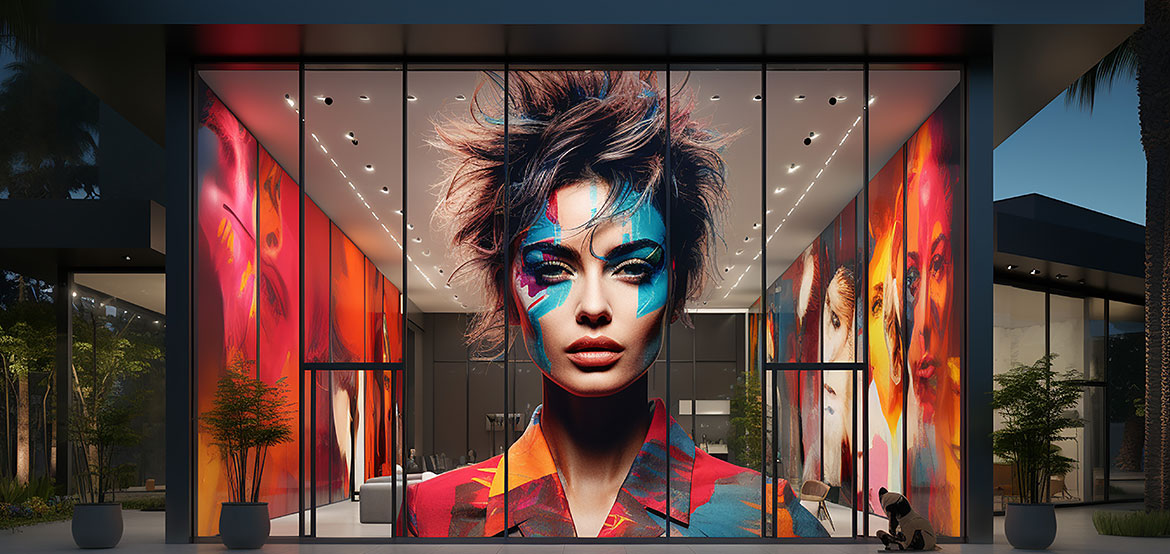
A light box advertising display is a type of illuminated signage that creates high-visibility visual messaging in both indoor and outdoor settings by illuminating graphics (typically printed on translucent substrate) from behind using LEDs or fluorescent tubes.
Typical formats consist of:
-Light boxes mounted on the wall
-Menu boards suspended from the ceiling
-Retail displays and showcases with backlighting
-Storefront signage outside
-Signage for exhibitions and events
Bright, high-contrast, eye-catching messaging that is visible in low-light and high-traffic areas is the key value proposition.
How Light Boxes Drive Marketing Outcomes
A. Attention Capture and Visibility
Because contrast and illumination appeal to human visual perception, light boxes are effective. Illuminated signage in crowded areas (malls, transit hubs, nighttime streets):
stands out from the surrounding environment.
Enhances recall of the brand
lengthens the message’s dwell time in comparison to unlit signs
Practical outcome: Compared to non-lit static posters, brands that use light boxes consistently report higher unaided recall.
B. Extension of Operating Hours
Light boxes are more effective in darker interior spaces and into the evening than non-lit posters. This greatly increases exposure time for establishments that are open after hours (restaurants, shops, movie theaters, transit hubs).
C. Enhancing Perceived Quality and Brand Positioning
Well-designed illuminated signage signals professionalism and premium positioning. Especially in retail and hospitality, lighting elevates perceived quality, which can indirectly influence purchase decisions.
D. Wayfinding and Functional Messaging
In addition to branding, light boxes work well for:
Price lists and menus (restaurants, cafes)
Directional signage in hospitals and airports
Showroom product highlights
Commercial behavior is supported by this functional utility, not merely awareness.
Metrics That Show They Actually Work
While data will vary by context and location, observable performance indicators include:
Footfall and Conversion
Shops with illuminated displays often see:
Higher passerby engagement
Increased entry rates vs. adjacent stores without illumination
Transactions tracked pre- and post- installation typically show measurable uplift, especially in evening footfall.
Dwell Time
Studies show illuminated visuals increase dwell time, which correlates with:
Higher message absorption
Improved retention
Brand Recall
Consumer surveys in retail environments consistently find higher recall for illuminated signage compared to flat prints.
Ad Recall In Transit Locations
In transit environments where dwell time is short, luminosity helps brand memory stick even in 3–7 seconds of exposure.
Situations Where Light Boxes Deliver Best Value
High Traffic, High Ambience Locations
Shopping malls
Transit terminals
Streets with evening/night activity
Cinemas and entertainment hubs
Customer Journey Moments
Approaching points of sale
Decision nodes (menus, service counters)
Waiting areas
Brand Premiumization Strategies
Luxury retail
Hospitality and high-end services
Where Light Boxes Can Be Less Effective
Low Footfall Areas
In areas with limited traffic,the investment yield is muted.
Poor Graphic Execution
Substandard design or low-resolution print cancels the visibility advantage. Content quality matters as much as illumination.
Illumination Mismanagement
Too bright or overly distracting lighting can be counterproductive in serene environments (e.g., fine dining).
Regulatory/ Location Constraints
Outdoor light boxes may face zoning, power, or aesthetic regulations in some jurisdictions.
Cost vs Return Considerations
Costs Include:
Equipment and fabrication
Installation and power
Graphic updates
Maintenance (LED drivers, diffusers, print replacements)
Returns Should Be Evaluated Against:
Incremental foot traffic
Conversion lift
Brand engagement metrics
Competitive differentiation
For most commercial use cases, light boxes deliver ROI when integrated into a broader marketing mix and measured over realistic cycles (3–18 months).
Best Practices for Effectiveness
Design Matter
High-contrast fonts
Clear visuals
Color profiles that are consistent with the brand
Uniformity in strategic lighting
Strategic Placement
Line-of-sight or eye-level positions
Decision-making points
Areas that naturally attract foot traffic
Content Strategy
Changing the main messages
Seasonal deals
Call-to-action integration and QR codes
Measurement & Optimization
Monitor performance by:
Foot traffic prior to and following
Transaction totals
Engagement or QR scans
Changes in performance throughout the day
Conclusion
Do Light Box Advertising Displays Actually Work?
Yes….when executed with strategic intention, quality design, and placement in the right environment.
They are not a silver bullet, but rather a highly effective component of a physical advertising ecosystem. Their effectiveness is grounded in human perception principles, extended visibility, and the strategic capture of attention in both retail and transit contexts.
If you are considering light box advertising for your business, the key success factors are location selection, design execution, content relevance, and performance measurement.
Share
Post a comment Cancel reply
Related Posts
February 16, 2026
Designing for All Ages: Inclusive Signage Strategies for the UAE’s Year of the Family (2026)
The UAE has officially declared 2026 as the Year of the Family – a national…
January 17, 2026
Outdoor Advertising Light Boxes: Do They Outperform Billboards?
One of the best strategies for getting widespread attention is still outdoor advertising. Marketers and…
January 13, 2026
How AI Is Shaping Digital Signage and Displays
Real-Time Content Personalization Digital signage can dynamically modify content according to audience information and environmental…
January 6, 2026
The ROI of Billboard Advertising in Dubai: Numbers That Matter
Why Billboard ROI Matters in Dubai The advertising ecosystem in Dubai is distinct. When positioned…